The name says “security.” The pitch is peace of mind. But Ring — Amazon’s home camera and doorbell brand installed in over 10 million American homes — has quietly built one of the most concerning surveillance systems on the consumer market. And you probably didn’t realize you were opting in.
Your employees can see your bedroom
In 2023, the Federal Trade Commission charged Ring with allowing any employee or contractor to access customers’ private videos — including footage from cameras placed in bedrooms and bathrooms. One employee spent months watching thousands of videos of women in intimate settings before another employee caught it. Ring couldn’t even determine how many other employees had done the same, because they had no monitoring in place.1
Ring settled for $5.8 million. The FTC ordered them to delete data derived from those videos and implement basic security safeguards they should have had from the start.
Hackers moved in too
While Ring employees were watching, hackers were exploiting Ring’s failure to implement multi-factor authentication. Approximately 55,000 U.S. customers had their accounts compromised. Strangers accessed live video streams, watched people in their homes, and used Ring’s two-way audio to harass, threaten, and insult the people on the other end — including children subjected to racist slurs and sexual harassment from voices coming through their bedroom cameras.2
There’s no end-to-end encryption by default
Ring does offer end-to-end encryption — but it’s not on by default. Without it, Amazon can technically access your footage at any time. Most users never turn it on because Ring doesn’t make it easy to find, and doesn’t explain why it matters.3
Your doorbell is connected to ICE
In October 2025, Amazon announced a partnership between Ring and Flock Safety — a company operating AI-powered cameras used by over 5,000 police departments.4 Flock had already been sharing data with ICE, the Secret Service, and the Navy without formal contracts, as revealed by Senator Ron Wyden’s investigation.5
The connection means footage from Ring doorbells can flow through Flock’s network and reach federal immigration enforcement. You don’t have to agree to this. Your neighbor doesn’t have to agree to this. Anyone captured on a Ring camera in the Flock network is potentially in a database accessible to ICE.
Then came facial recognition
In December 2025, Ring launched “Familiar Faces” — a feature that identifies people approaching your door by face.6 Combined with Flock’s network and ICE access, a single Ring doorbell can now identify a person, log their visit, share the footage with police, and allow federal immigration agents to access it — all without the person ever knowing they were scanned.
You don’t even have to own Ring to be surveilled
If your neighbors have Ring cameras — and in many suburban neighborhoods, they do — you’re on camera every time you walk by. You never agreed to anything. You never opted in. The surveillance infrastructure is simply around you.
What to do
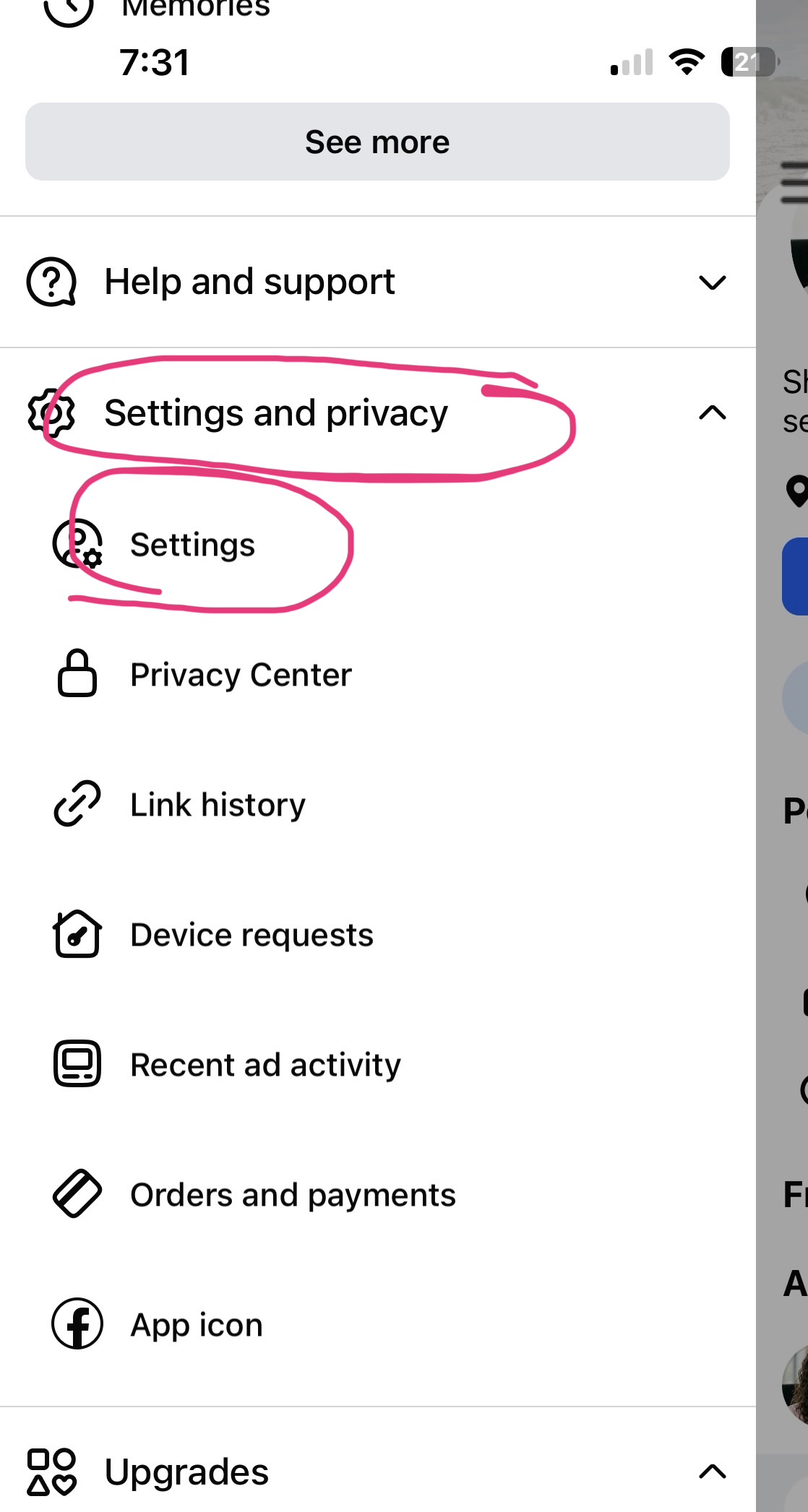
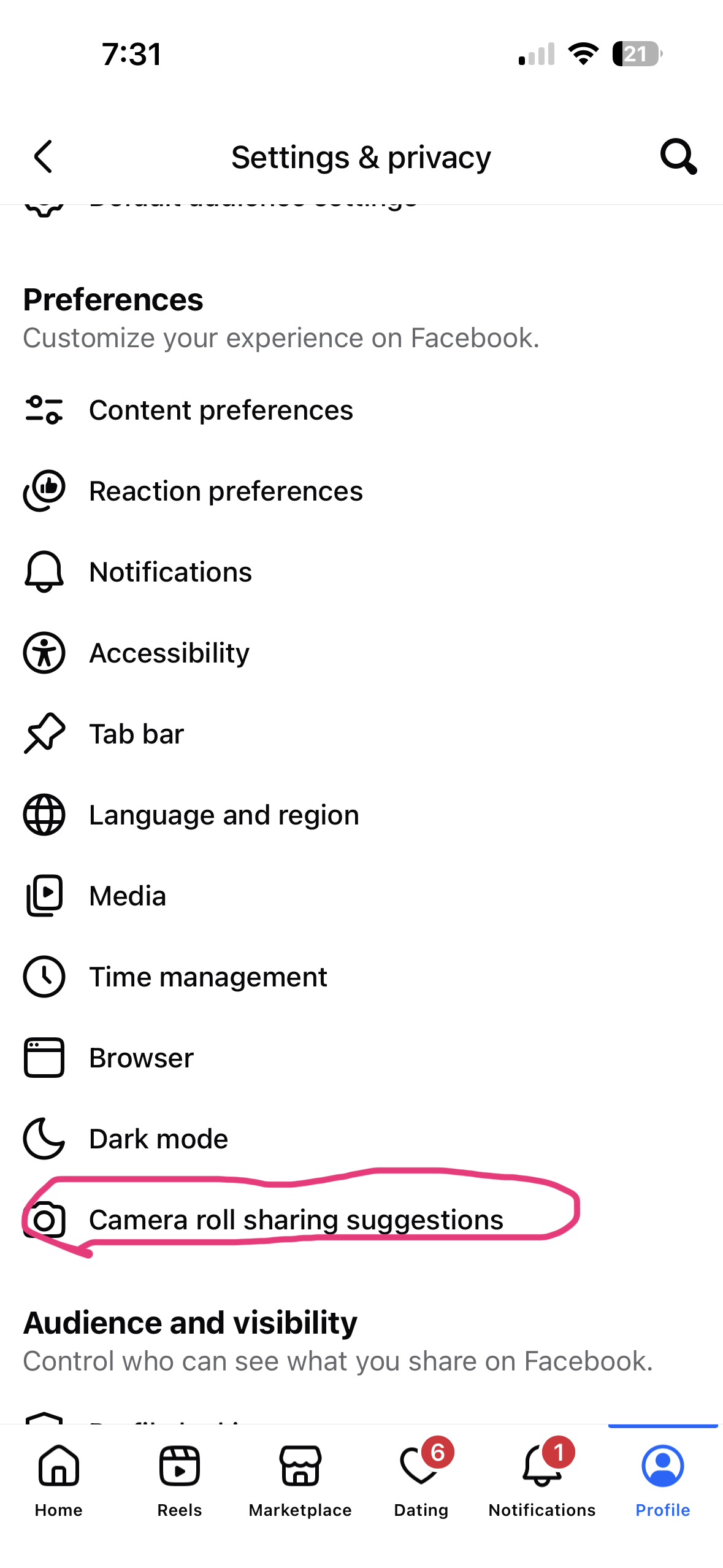
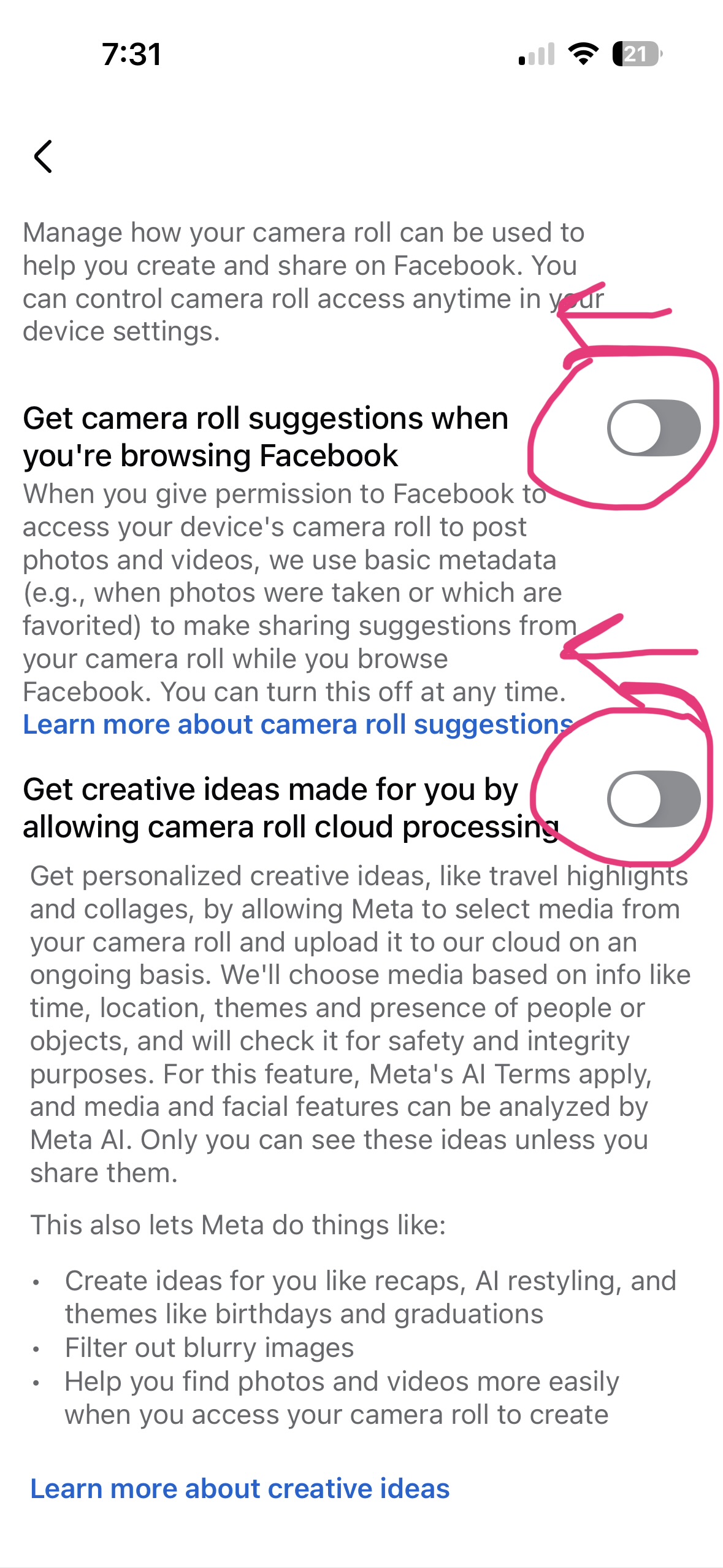
If you already have Ring, enable end-to-end encryption in your settings immediately and decline all Community Requests from law enforcement. Better yet, replace it with a local-storage camera that doesn’t route footage through Amazon — or ICE.
Sources
- FTC Says Ring Employees Illegally Surveilled Customers — Federal Trade Commission, May 2023 ↩
- Security failures: hackers took control of Ring cameras — Federal Trade Commission ↩
- Ring + Flock + ICE: The Doorbell-to-Deportation Pipeline — State of Surveillance ↩
- Amazon’s Ring to partner with Flock — TechCrunch, October 2025 ↩
- ICE access without contract — Senator Wyden investigation — State of Surveillance ↩
- Ring Familiar Faces facial recognition, December 2025 — State of Surveillance ↩